Written by
John
Published on
September 6, 2026

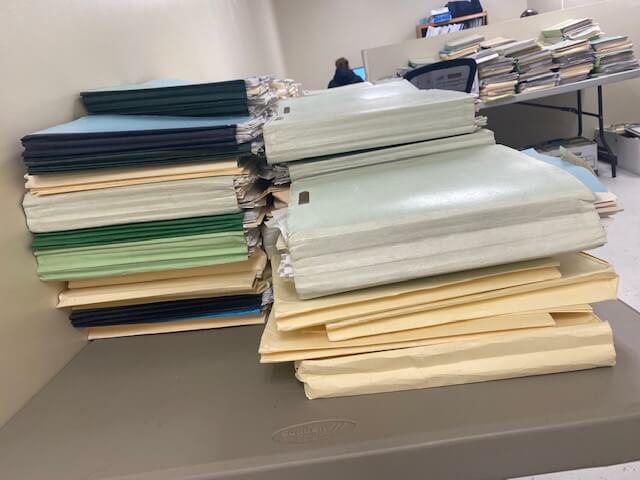
Document digitization is one of those terms that gets used loosely. To some companies, it means scanning. To others, it means a full data extraction and conversion process. Understanding what digitization actually involves — and what you should be getting from a digitization company — is the first step to a successful project.
This guide covers document digitization services in plain English, what's typically included, what's often missing, and how Southern California businesses across LA, Orange County, San Diego, and the Inland Empire should approach a digitization project. For broader context on the process, also read our guide to what document imaging actually involves.
Document digitization is the complete process of converting physical documents into usable digital format. The key word is "usable" — because there's a meaningful difference between scanning documents (creating digital images) and digitizing them (creating digital records you can search, retrieve, and integrate with your business systems).
Full document digitization includes:
Read our complete guide to how OCR scanning works and our comparison of TIFF vs PDF for digitized documents for technical detail.
The business case for digitization is stronger in Southern California than almost anywhere else. Office space in Los Angeles County averages nearly $49 per square foot, with Class A space in Orange County and San Diego running even higher. Every filing cabinet of paper your business stores is consuming real estate that costs real money. Read our analysis of the real cost of paper for Southern California businesses for the full math.
Beyond cost, digitization addresses specific Southern California risks. Earthquake, wildfire, and flood are not theoretical concerns here — they're recent and recurring realities. Paper records lost to disaster cannot be recreated. Digital records backed up to the cloud survive whatever happens to your physical office.
And then there's compliance. California has some of the most demanding record retention requirements in the country. Read our complete guide to California business record retention requirements by industry — for healthcare, legal, real estate, finance, HR, and entertainment industries.
California's Medical Information Act requires patient records to be retained for 10 years from the last date of adult treatment. Multiply that by 30 years of accumulated records and the volume becomes enormous. Digitization solves the storage problem and dramatically speeds up patient record retrieval. Read more in our guide to digitizing medical records for California healthcare providers.
Full-text search across case files, faster discovery response, and compliance with California Bar trust account record requirements. Digitization is increasingly an expectation from larger clients who require digital file access as a condition of engagement. Read our guide for Southern California law firms.
Every transaction generates closing documents, title records, and trust deeds that must be retained under DRE and DFPI regulations. Escrow companies can typically charge scanning costs directly to the transaction — making digitization cost-neutral. Read our complete guide for escrow companies going paperless.
LA's entertainment industry generates extraordinary volumes of paper per production — guild contracts, time cards, financial records, distribution agreements. Digitization at production wrap converts archives into searchable resources for future licensing and distribution. Read our guide for film and production companies.
San Diego County alone has 15,000+ businesses holding Department of Defense contracts. Federal Acquisition Regulation compliance requires multi-year retention of contract documentation. Digitization makes audit response dramatically faster. Read our San Diego County document scanning guide for the full defense industry context.
HR records, financial records, vendor contracts, board materials, and compliance documentation all benefit from digitization. For companies going through audits, M&A activity, or system migrations, digitization is often a prerequisite for the larger project.
Not all digitization companies offer the same level of service. The questions to ask are similar to those for any professional document scanning company — but with specific attention to the digitization-specific factors:
Document digitization is not instant. Plan accordingly. A typical filing cabinet (10,000-12,000 pages) takes 3-7 business days for full digitization. A storage unit with 30-40 boxes (75,000-100,000 pages) typically runs 4-8 weeks. Bulk digitization projects of 150,000+ pages typically run 2-4 months.
Read our complete guide on what makes a scanning project easy or complicated to understand what affects your timeline.
Document digitization is not just scanning — it's the complete process of turning paper into a usable digital archive. The difference shows up every time you need to find a specific file.
Turnsource Imaging provides full document digitization services for businesses throughout Los Angeles County, Orange County, San Diego County, and the Inland Empire. We've been serving Southern California businesses since 2015 with a 5.0-star Google rating and 39+ verified reviews from clients across legal, medical, escrow, biotech, defense, and corporate sectors.
Ready to Plan Your Document Digitization Project?
Turnsource Imaging provides full document digitization services with pickup and return throughout Southern California. Free consultation and sample batch scan. Contact us at turnsourceimaging.com/contact.