Written by
John
Published on
March 7, 2026

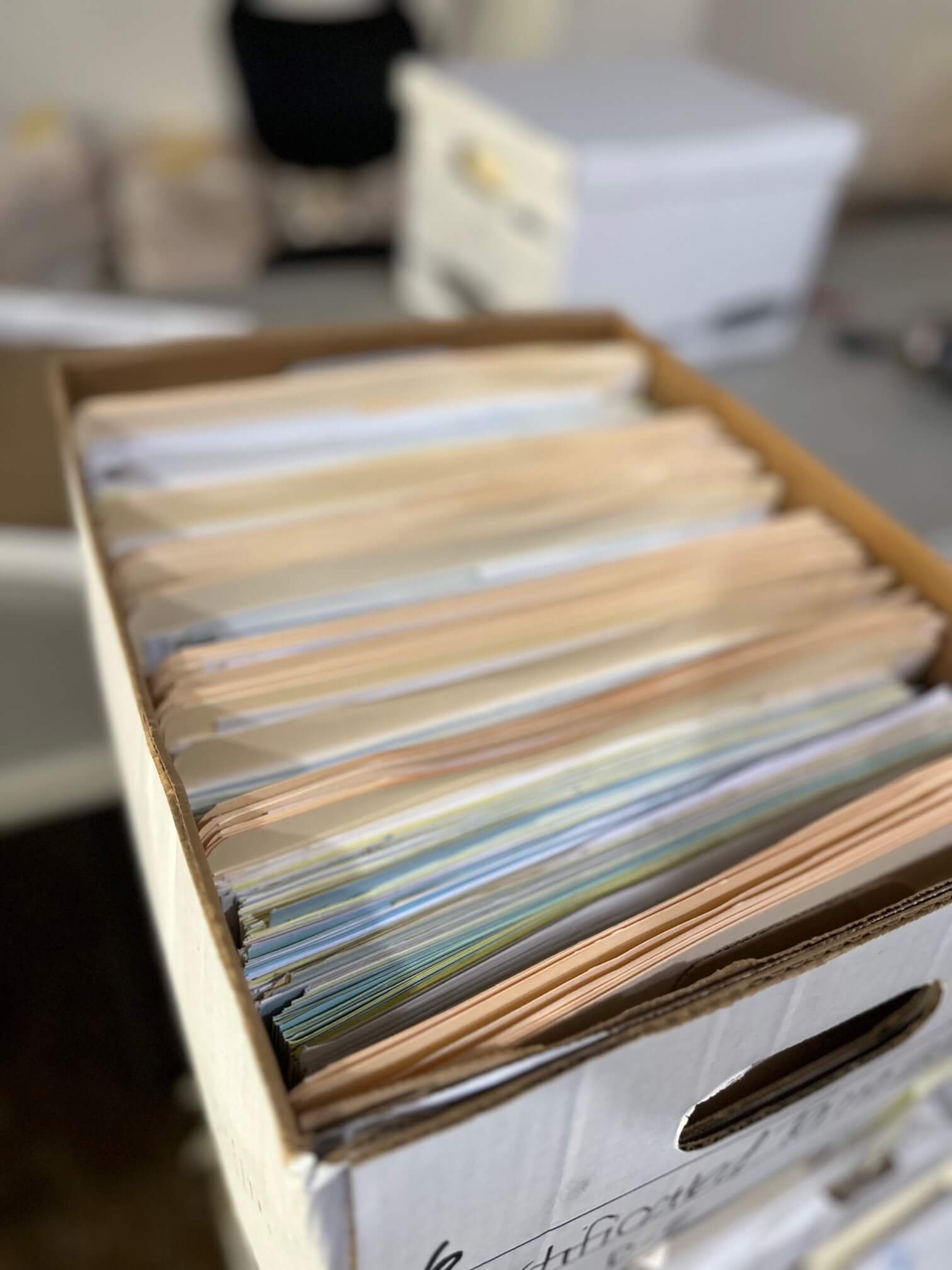
Every escrow transaction tells a story — and for most offices, that story is buried somewhere in a file cabinet. Loan applications. Deeds. Disclosure packets. HUD statements. Lien releases. The average residential closing involves dozens of documents, and in a busy office, those documents pile up fast.
But here's what's changing: the escrow and title companies gaining a competitive edge today are the ones who've made the leap to paperless. They close faster. They audit cleaner. They recover from disasters. And they're spending significantly less time hunting down documents that should have been at their fingertips.
If your office is still running on physical files, this post is for you.
Paper seems free — until you account for all the ways it quietly drains your operation. Consider what your team deals with on a daily basis:
• Storage costs: Filing cabinets, off-site storage facilities, and the square footage they consume in your office all come with a price tag.
• Staff time: Industry estimates suggest employees spend an average of 30–40% of their time searching for, filing, or re-filing physical documents.
• Error risk: Misfiled documents, missing pages, and version confusion are far more common with paper — and in escrow, errors have real consequences.
• Compliance exposure: When an auditor or regulator asks for records, a disorganized paper system puts your license and reputation on the line.
• Disaster vulnerability: Fire, flooding, or even a burst pipe can permanently destroy years of irreplaceable client records.
Going paperless doesn't mean waving a magic wand over your file room. For most escrow and title offices, it starts with professional document scanning — converting your existing paper files into indexed, searchable digital records.
Here's what that process typically involves:
• Backfile conversion: Your historical paper records — sometimes going back decades — are scanned, quality-checked, and organized into a digital archive. This is often the biggest lift, but it unlocks your entire history.
• Day-forward scanning: This can be done on a regularly scheduled basis each month, quarterly, or simply when enough files are accumulated.
• Indexing & searchability: Every document is tagged with metadata (transaction number, borrower name, date, document type) so your team can find anything in seconds — not minutes.
• Integration with your software: Digitized files can be stored in your existing escrow software, a document management system (DMS), or secure cloud storage that your team accesses from anywhere.
When your team can instantly pull up any document from any transaction — without leaving their desk — the pace of your entire operation accelerates. No more waiting for someone to locate a file before a call.
Regulatory audits are a fact of life in escrow. A fully indexed digital archive means you can respond to any document request in minutes, not hours. Everything is timestamped, organized, and retrievable.
Your team doesn't need to be in the office to do their job. Digital files can be accessed securely from anywhere, which is increasingly important or just flat out convenient.
Digital files stored in the cloud don't burn, flood, or get lost in a move. If something happens to your office, your business keeps running.
Less physical storage means less space needed, fewer supplies, and less staff time dedicated to filing. Over time, the savings are substantial.
This is the most common objection we hear — and it's completely understandable. Escrow is a relationship-driven, detail-oriented business where consistency matters. Change feels risky.
But consider this: the companies that digitized their records five years ago aren't looking back. They're closing more transactions with the same headcount. They're handling compliance reviews in a fraction of the time. And they have peace of mind knowing their records are protected.
Going paperless isn't about disrupting how you work — it's about removing the friction that slows you down!
We also work with California medical practices — read our guide to HIPAA-compliant medical records scanning