Our blog
Information
.png)
Information
Document Scanning and Digitization Statistics 2026: 45 Verified Numbers on Paper, Records, and Compliance
The most cited paperless-office statistics are copies of copies with no traceable source. This page fixes that: 45 numbers on paper use, digitization, records compliance, and the cost of working from filing cabinets, each traced to the agency, association, or study that published it, dated, and linked. Refreshed as sources update.
Information
Digital Mailroom Services: How Mailroom Outsourcing Works and What It Costs
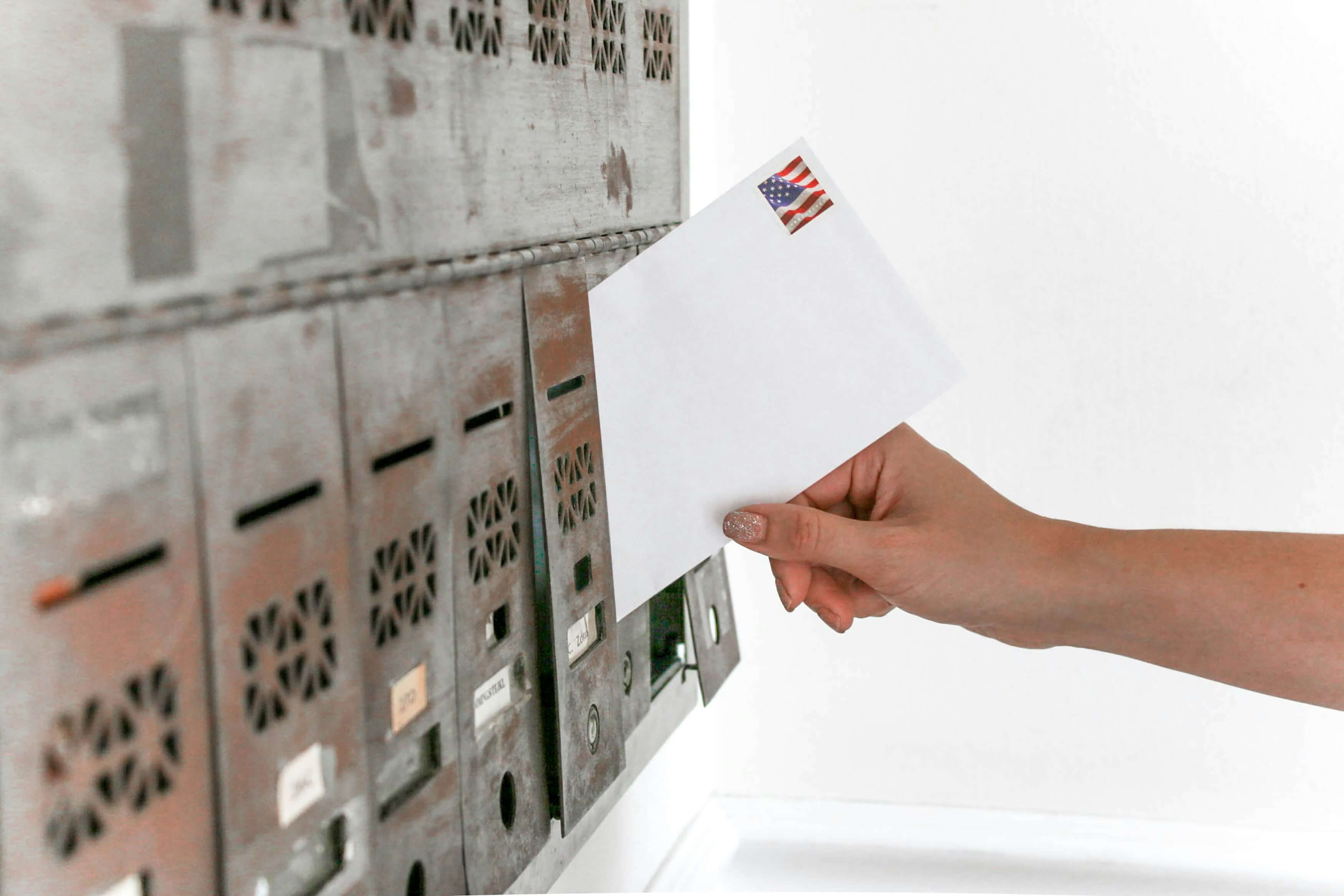
A digital mailroom moves one step out of your office: mail arrives with us, and searchable PDFs go to your team. Here is how we prep, scan, index, and quality-check business mail in Southern California, plus real monthly pricing by envelope volume and the questions worth asking any vendor before you hand over your mail.
Information
How We Handle Document Shredding — and Why We Don't Profit From It
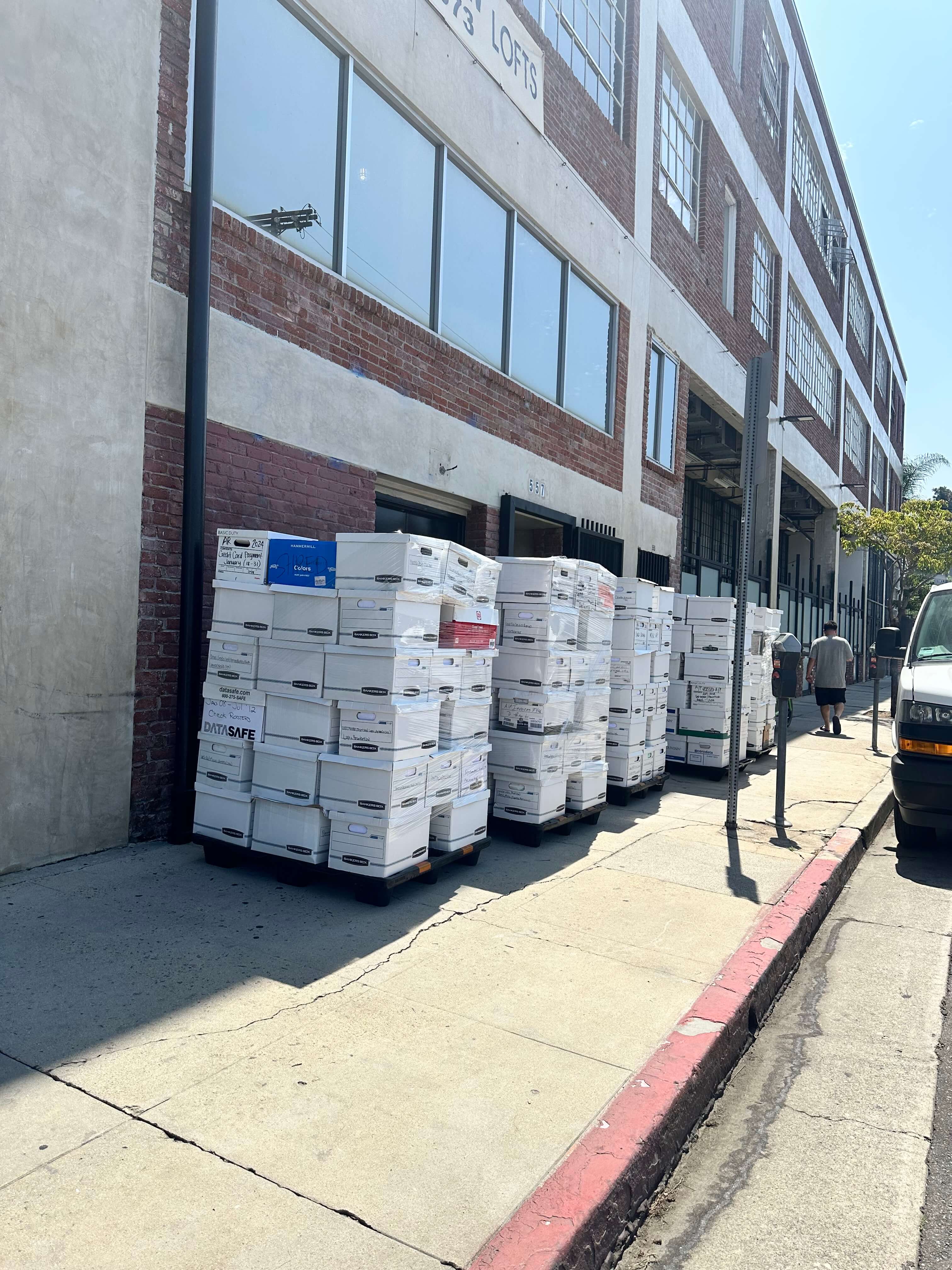
Most scanning projects end with a pile of sensitive paper that still has to be destroyed properly. Here's exactly how we handle document shredding — in large batches of 5 to 12 pallets, through established partners, at cost. We break down the two halves of the shredding industry, why we don't profit from destruction, and why no serious scanning company is also a shredding company.
Information
Why Our Scanning Operation Still Runs on One Piece of Paper
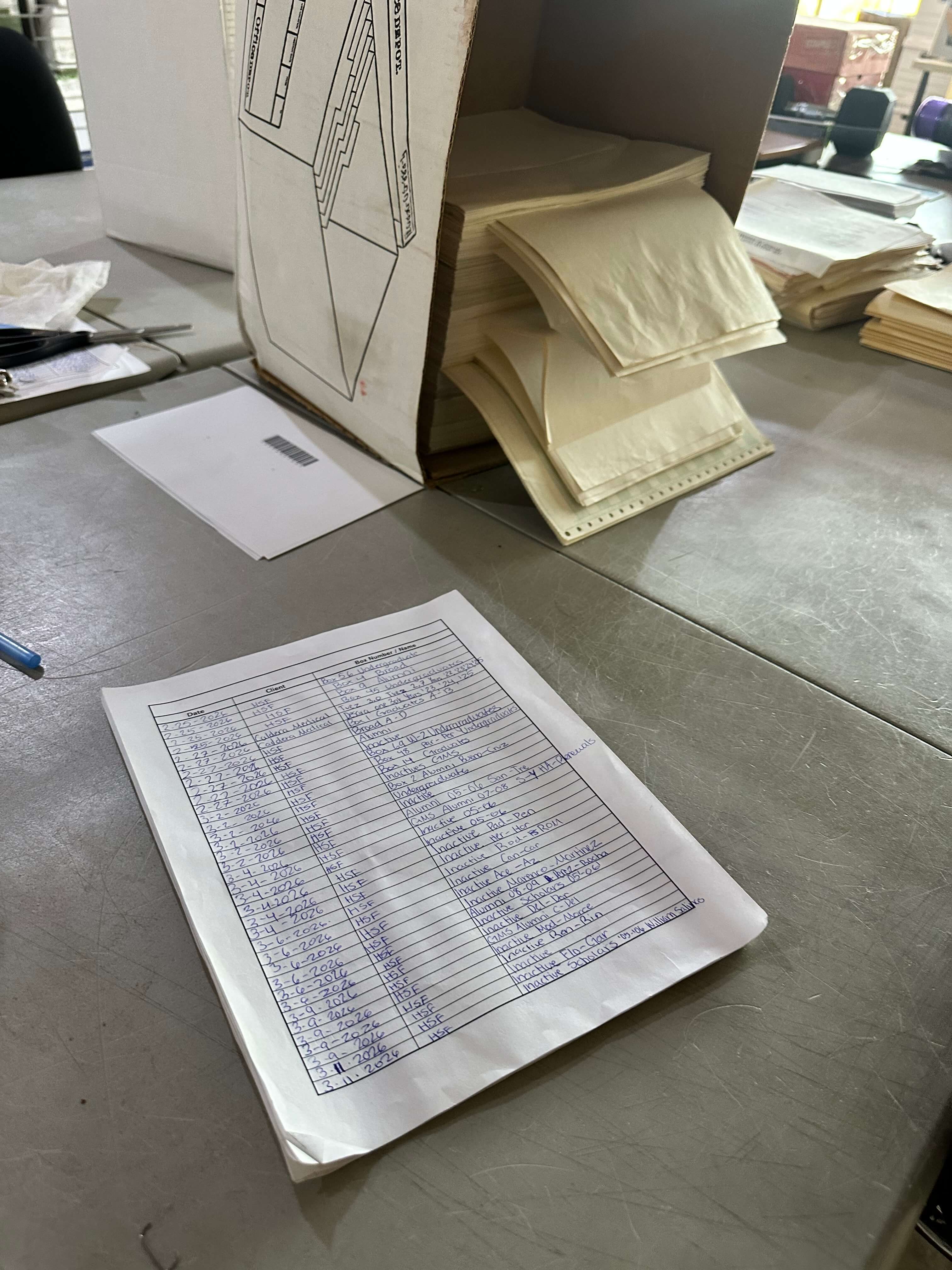
We're a document scanning company — our whole job is turning paper into searchable digital files. So why does every person in our production department keep a handwritten paper log? This post breaks down the production log: the client name, box number, date, and notes we record by hand on every box, and the four ways that one low-tech habit makes our operation more accountable, more traceable, and more professional than simply hiring someone to run a scanner.

Information
Bulk Document Scanning: A Guide for High-Volume Projects
Bulk document scanning is a different operation than scanning a few file cabinets. Volumes in the tens or hundreds of thousands of pages require specific equipment, workflow, and project management. This guide covers what bulk document scanning actually involves, how Southern California businesses should plan a high-volume project, what to expect from a professional bulk scanning company, and the questions to ask before committing to a large-scale digitization effort.
Information
Backfile Scanning: How to Digitize Decades of Business Archives
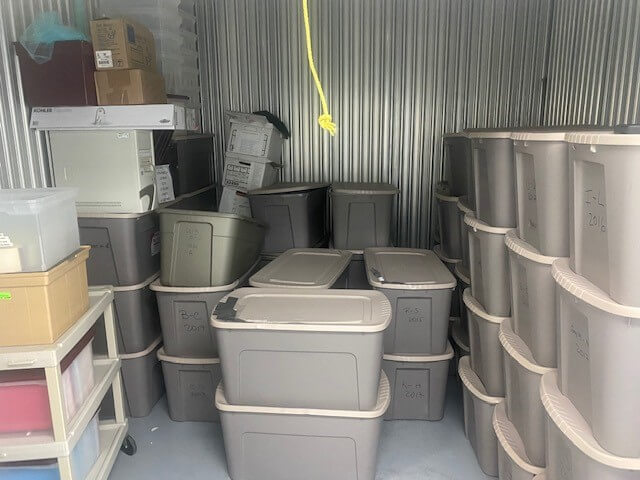
Most Southern California businesses have a backfile problem. Years of accumulated paper records sit in storage units, basements, off-site warehouses, and back offices — costing money to store and impossible to search. Backfile scanning is the process of converting that historical archive into clean, searchable digital files. This guide covers how Southern California businesses should plan a backfile scanning project, what's realistic in terms of timeline and cost, and the specific situations that make backfile conversion an urgent business priority.

Information
Outsource Document Scanning vs In-House: A Decision Guide
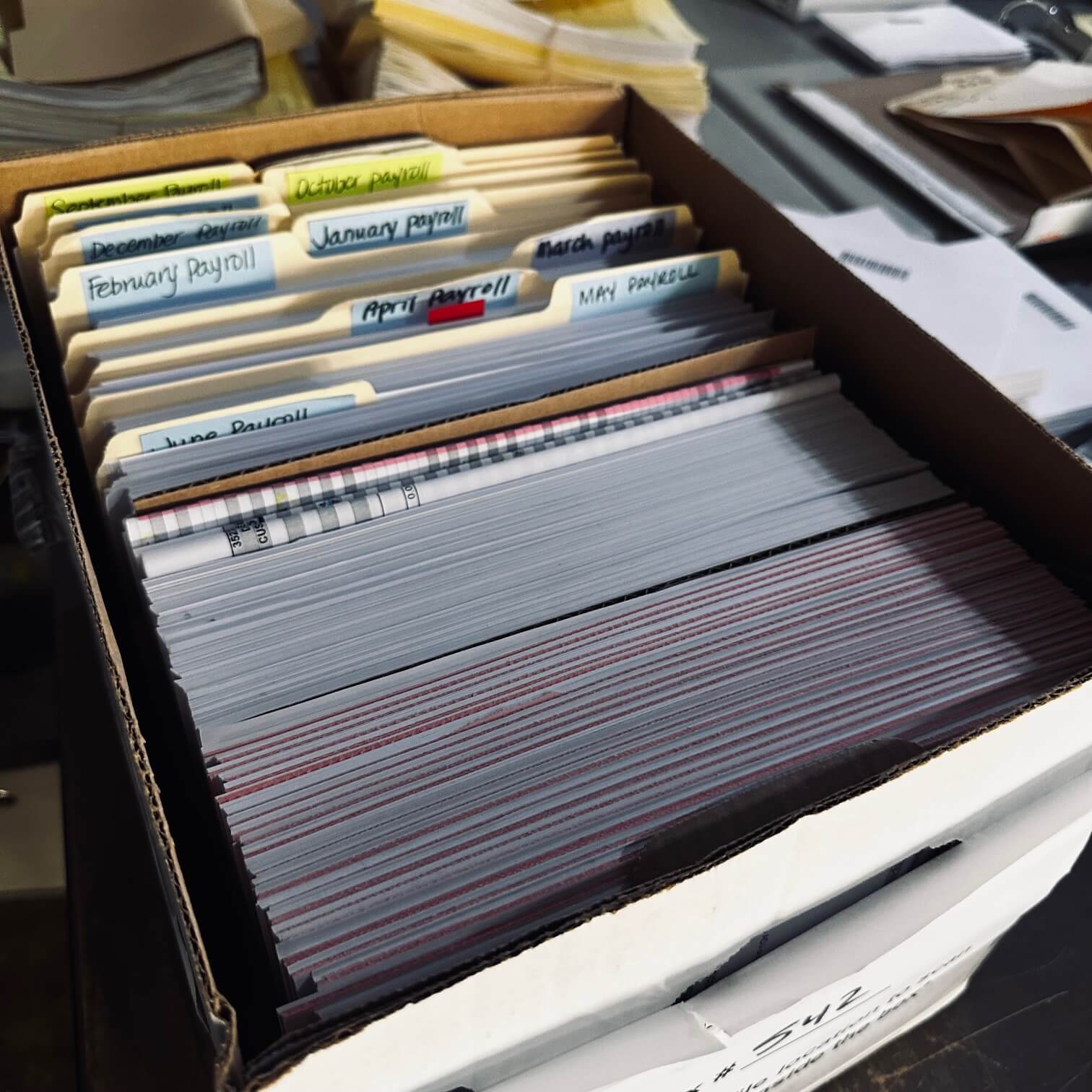
Should you scan your documents in-house or hire a professional document scanning company? The answer affects budget, staff time, quality, and compliance — and most businesses underestimate the true cost of doing it themselves. This guide compares the two approaches honestly, with specific cost math for Southern California businesses, and a clear framework for deciding which approach fits your situation.
Information
How to Choose a Professional Document Scanning Company
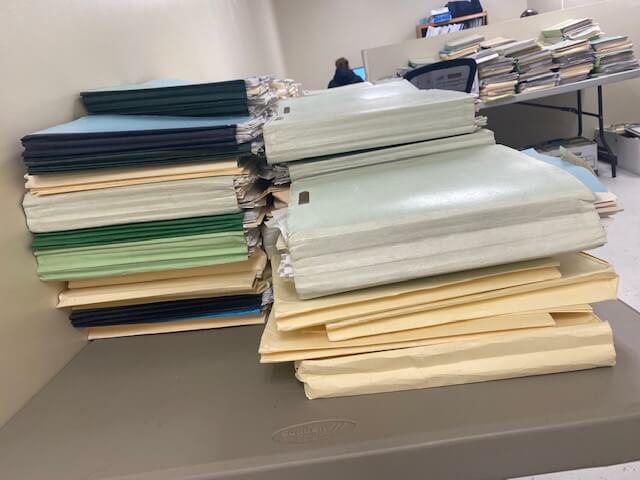
Most businesses only hire a document scanning company once — and they often make the wrong call. This guide explains what separates a professional document scanning company from a discount vendor or DIY approach, why Southern California businesses should think local, and the specific questions to ask before you commit. Written for Los Angeles, Orange County, San Diego, and Inland Empire business owners evaluating scanning services.
Information
Document Digitization Services for Southern California Businesses
Document digitization is the process of converting your business's paper records into organized, searchable, accessible digital files. Done right, it eliminates storage costs, speeds up retrieval, supports remote work, and prepares your organization for the next decade of business. This guide explains what document digitization services actually involve, which Southern California businesses benefit most, and how to choose a digitization company that will deliver a real digital archive — not just scanned files in a folder.

Information
Going Paperless in Southern California: A Step-by-Step Guide for Small Businesses
Going paperless sounds simple until you actually try to do it — and realize you're not sure what to scan first, what to keep as physical originals, or how to organize 10 years of filing cabinets into a digital system your team will actually use. This step-by-step guide is written for Los Angeles and Southern California small businesses ready to go paperless the right way, without disrupting operations in the process.

Information
The Real Cost of Paper: What Southern California Businesses Actually Spend on Physical Documents
How much does paper actually cost your business? Most Southern California companies underestimate by a factor of three or four once you add up storage unit fees, office space consumed by filing cabinets, staff time spent retrieving and managing files, and the risk cost of records that could be lost, damaged, or audited. This data-driven guide breaks down the real cost of paper for Southern California businesses — with specific numbers for LA, OC, San Diego, and the Inland Empire.

Information
California Business Record Retention Requirements: The Complete 2026 Guide by Industry
How long do California businesses actually have to keep their records? The answer varies dramatically by industry — and getting it wrong means either destroying records you still needed or paying to store documents you could have shredded years ago. This 2026 guide covers every major California record retention requirement by industry, in plain English, with the specific laws cited. Updated for 2026 and written specifically for Southern California businesses.
Information
How Document Scanning Pickup and Delivery Works: A Step-by-Step Guide for Southern California Businesses
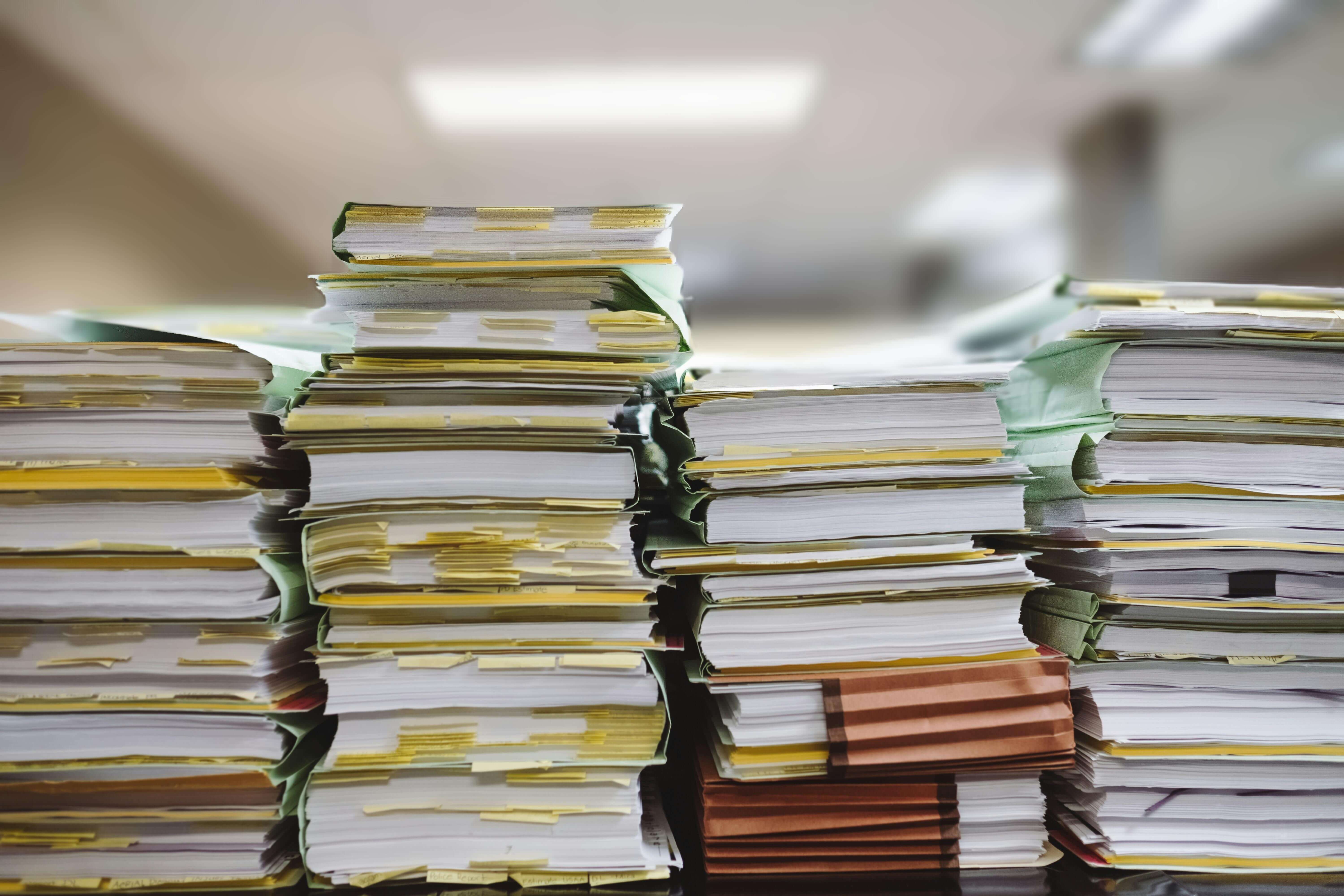
Most people understand that document scanning turns paper into digital files — but the steps in between are less clear. Who picks up the boxes? What happens to your documents while they're being processed? How do the files come back? And what guarantees nothing gets lost? This guide walks through the full pickup-and-return scanning process step by step — from the initial consultation through final delivery — including what document preparation actually involves, how indexing works, and what an ongoing monthly program looks like for businesses with a steady flow of new files
Information
How Long Do California Businesses Need to Keep Their Records? A Plain-English Guide by Industry
California businesses face a patchwork of IRS rules, state regulations, and industry-specific requirements — all with different retention periods. Destroy records too early and you risk an audit, a lost dispute, or a regulatory penalty. Keep everything forever and you're paying storage costs for documents that should have been gone years ago. This plain-English guide breaks down exactly how long to keep tax records, HR files, contracts, escrow documents, medical records, and legal files under California law — organized by record type and industry, with the specific rules behind each requirement.

Information
How Much Does Document Scanning Cost? An Honest Breakdown for Southern California Businesses
Most scanning companies won't show you a price. We will — including our real first-half-2026 averages: $0.055 per image and $137.50 per box across 42 customers. This guide breaks down per-page, per-box, and project-based pricing, what actually drives cost up or down, and realistic ranges by project type in Southern California, so you can budget accurately before you call.

Information
Document Scanning for Law Firms in Southern California: What Legal Practices Need to Know
Law firms accumulate paper faster than almost any other industry — and California's retention rules mean you can't just throw it away. This post covers what personal injury and estate planning practices need to know about file retention, how a monthly scanning program works in practice, and a real case study from an Irvine law firm that cleared 10–20 years of storage unit files with Turn Source Imaging

Information
Scanning Documents Before an Office Move: What to Do, What to Keep, and How to Get It Done
An office move forces a decision you've been putting off: what do you actually do with all that paper? This guide walks through the three-bucket framework for sorting your documents before a move, a realistic 8-week timeline, and why digitizing before moving day is almost always cheaper than moving the boxes.

Information
What Makes a Document Scanning Project Easy — and What Makes It Complicated?
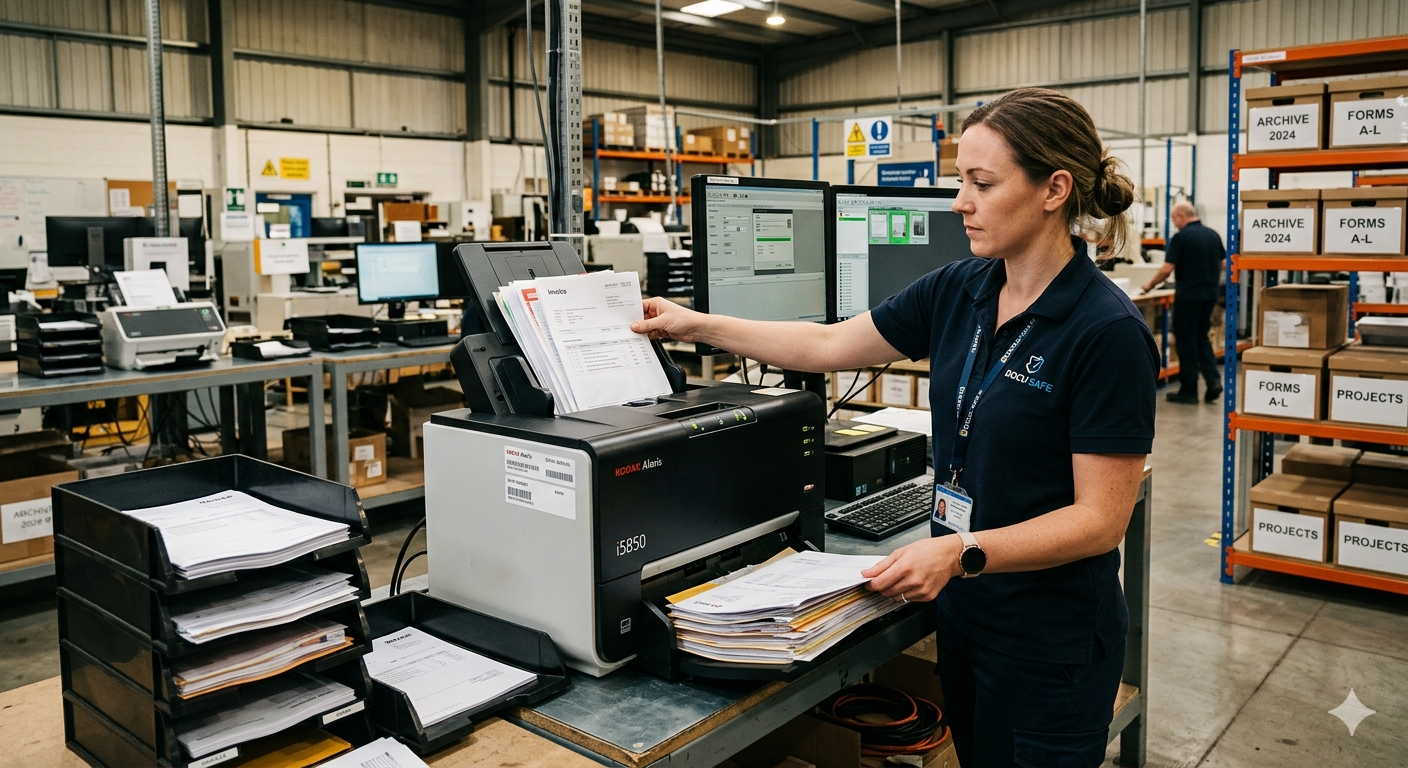
Not all scanning projects are created equal. After 15 years managing scanning operations, one rule holds true: about 80% of what determines project complexity comes down to preparation difficulty — and the single best predictor is how many folders are in each box. This guide breaks down what makes a scanning project easy, what makes it complicated, and what to know before your next project.
Information
What Is Document Imaging? A Complete Guide for Southern California Businesses
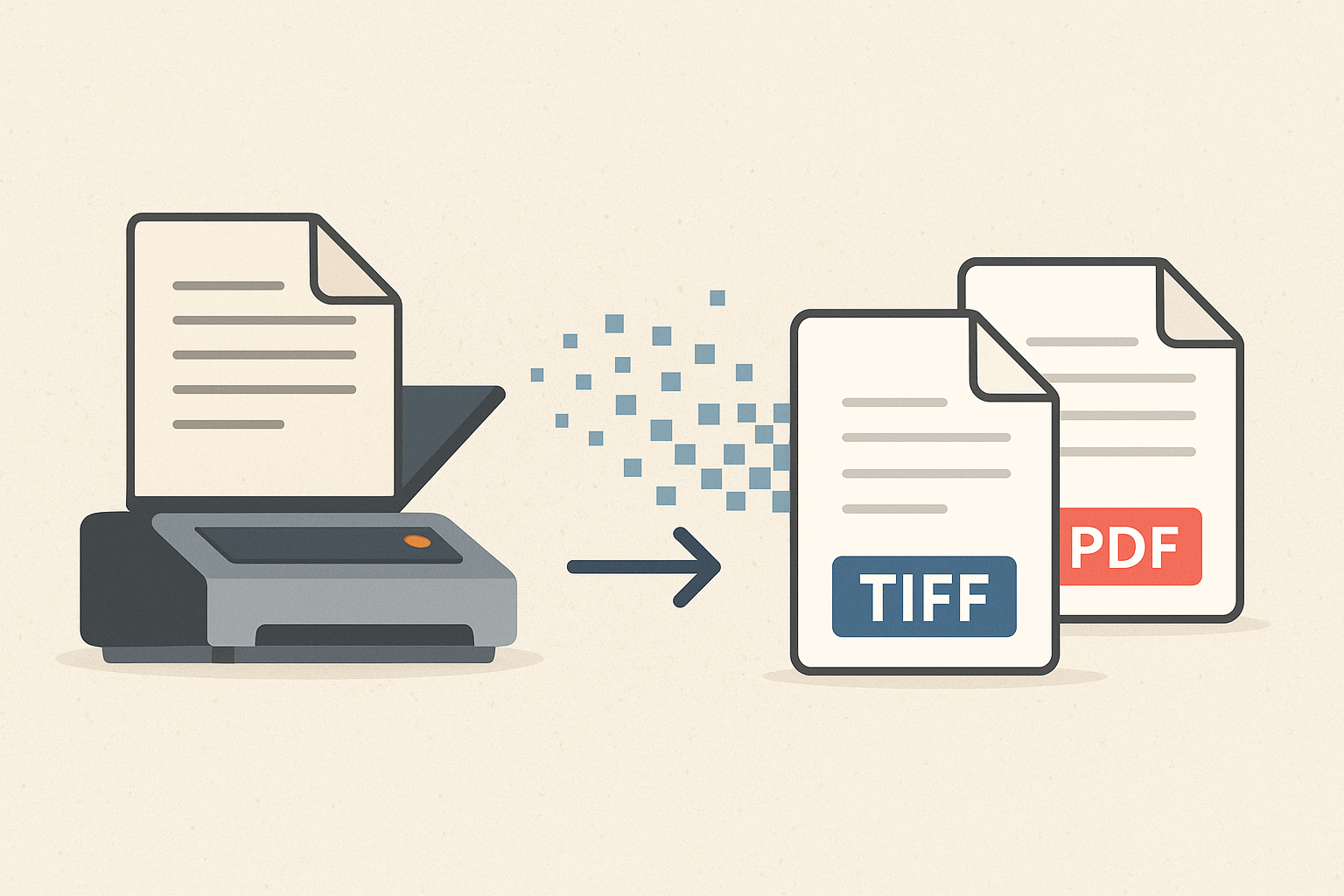
Most businesses use "document scanning" and "document imaging" interchangeably — but there's an important difference. This guide walks through the complete document imaging process step by step, explains why Southern California's expensive office space makes digitization a financial decision (not just an operational one), and covers how healthcare, legal, escrow, entertainment, and corporate businesses across LA, Orange County, and San Diego use document imaging every day.
Information
TIFF vs PDF: Understanding the Difference Between PDF and TIFF Format
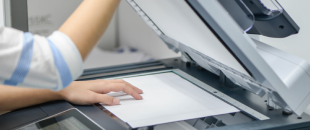
Choosing between TIFF and PDF is one of the first decisions you'll make when digitizing your documents — and choosing wrong creates problems that are expensive to fix. This guide explains what each format actually is, when Southern California businesses should use each one, and how industries like healthcare, legal, escrow, defense contracting, and architecture make the call. Bottom line included.
Information
What Affects the Cost of Document Scanning? A Plain-English Guide for Southern California Businesses
If you've gotten wildly different quotes for a document scanning project, the price difference isn't random — it's driven by 8 specific factors. This guide explains what those factors are, how each one affects your project cost, and how to control the variables you can. Not a price list — a framework for understanding any quote you receive and getting the service level that actually matches your project.

Information
Legal Size Document Scanning: When to DIY and When to Hire a Professional
Legal size documents (8.5 x 14 inches) show up in virtually every Southern California business archive — real estate contracts, court filings, insurance policies, medical consent forms, guild agreements — and they create real problems for standard office scanners. This guide covers the honest limitations of self-scanning legal size documents, the situations where professional scanning is the right answer, and how mixed-size projects are handled by a commercial document scanning company.
Information
The Real Benefits of Document Scanning for Southern California Businesses
At $48.72 per square foot in Los Angeles County, the cost of storing paper is measurable, recurring, and avoidable. This guide covers 8 concrete benefits of professional document scanning for Southern California businesses — from reclaiming expensive office space and eliminating storage unit fees to meeting California retention requirements and protecting records against earthquakes, wildfires, and floods. Every benefit is specific, local, and calculable.

Information
What Is OCR Scanning? How Optical Character Recognition Works for Southern California Businesses
Without OCR, a scanned document is just a picture of a piece of paper. With OCR applied, every word is searchable, selectable, and machine-readable. This guide covers how optical character recognition actually works, when it matters most, which Southern California industries depend on it, and what to look for when evaluating OCR quality from a document scanning company.