Written by
John
Published on
September 6, 2026

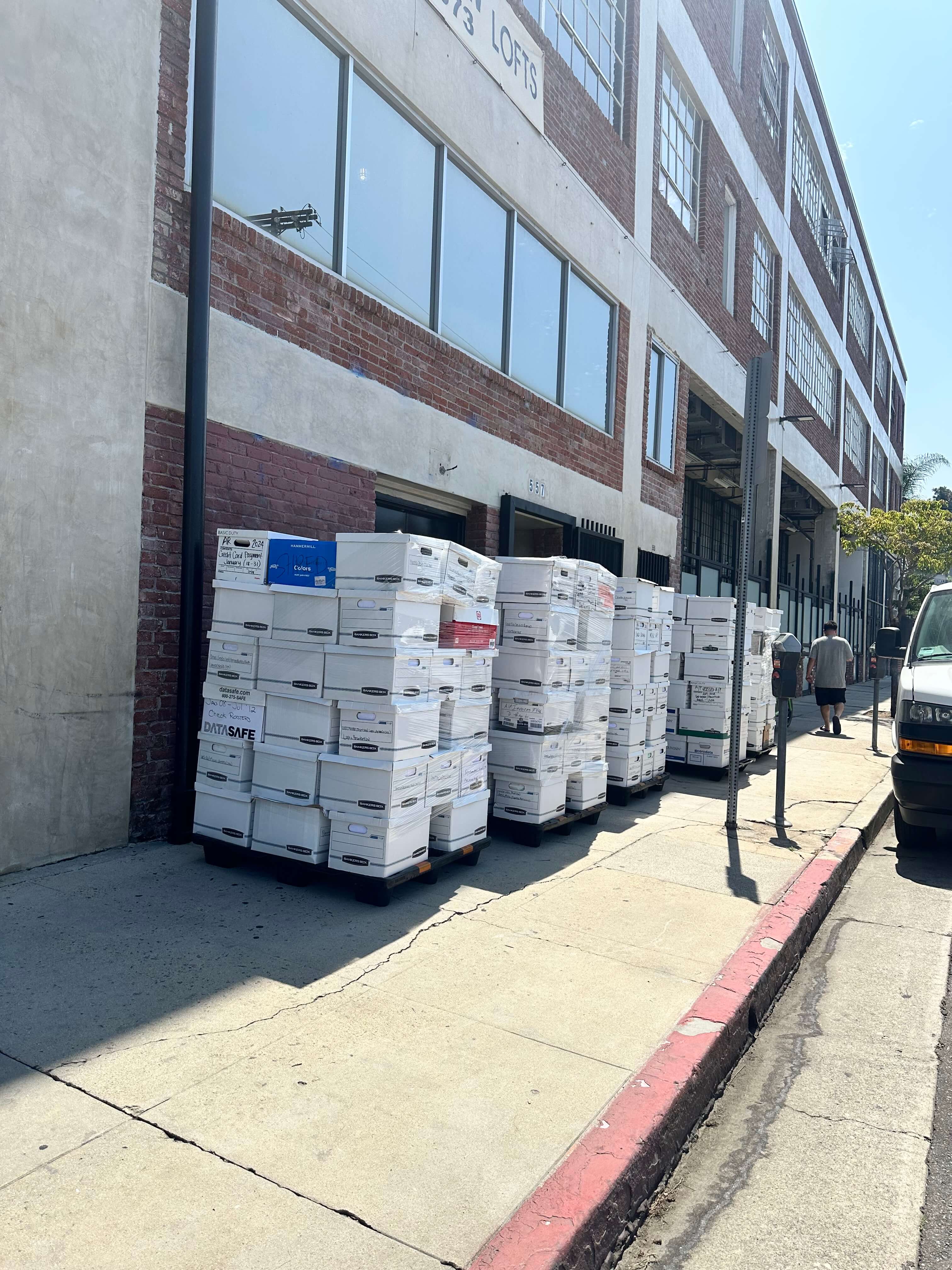
Most document scanning projects end the same way: with a stack of paper nobody needs anymore. You've got clean digital files, and the originals are now a liability — still full of sensitive information, still taking up space, still legally yours to dispose of properly.
So clients ask us the obvious question: can you just shred it?
The honest answer is yes — but how we do it, and what we charge for it, probably isn't what you'd expect. So let's walk through exactly how document shredding works, how the industry is actually structured, and why we handle destruction the way we do. Because the way a company answers the shredding question tells you a lot about whether they're being straight with you.
Once your records are scanned, the original paper has usually outlived its purpose — but only after you've confirmed the digital copies are complete and you've satisfied any record retention requirements for your industry. Sensitive documents can't just go in a dumpster. For regulated businesses like law firms and medical practices, improperly dumping confidential records is its own liability. Secure destruction is the proper close-out to a scanning project.
Here's the real picture, with no spin. We don't shred every day, and we don't shred small batches. We hold securely stored material and run destruction in large batches — typically every month or two, sometimes quarterly — and when we do, we're shredding somewhere between 5 and 12 pallets of boxes at a time.
That batching isn't laziness — it's the whole advantage. Volume is what unlocks pricing. A business trying to shred a few boxes on its own pays retail. We're moving pallets, so we get true volume pricing — and here's the part that matters to you:
We pass that pricing straight through. We don't try to make a profit on shredding at all.
That's a deliberate choice. Shredding isn't a profit center for us — it's a way to be more competitive on the part of our business that actually is one: scanning. When destruction is handled at cost, the total project gets cheaper — and that total is the number you're really comparing when you shop vendors. We'd rather win the scanning work than nickel-and-dime you on the shredding.
Most people picture shredding as one step: paper goes in, confetti comes out. In reality, there are two distinct halves to the business — and understanding them explains a lot about pricing.
These are the companies that physically destroy the paper — firms like SoCal Shred, which is who we use. They generally run one of two ways: mobile shred trucks that carry an industrial shredder on board, or a fixed facility that houses the shredder, served by box trucks that pick the paperwork up and bring it in. Either way, this is the company that turns your documents into unrecoverable shred.
Once the paper is shredded, it doesn't just get thrown away — it becomes a commodity. The shred goes to a separate company, a recycling plant like Angelus Western Paper Fibers, that buys shredded paper by the pound. This is the part most people never see. The shredder charges you on the front end to destroy the paper, then sells that same shredded material to a recycler on the back end. The paper has value twice.
None of that is a scam — it's simply how the economics work. But knowing it exists helps explain why high volume changes the math so dramatically, and why a vendor moving pallets can offer a very different price than one shredding a few boxes at a time.
We're a scanning company. We're not a shredding company — and we'll never pretend to be one. We partner with established local shredding companies that feed into the same recycling facilities the big players use.
Here's the reality the industry doesn't always say out loud: practically speaking, you can't be a serious scanning company and a serious shredding company at the same time. They're two completely different operations — different equipment, different facilities, different capital requirements. The only operations with the CAPEX and the physical footprint to genuinely do both under one roof are giants like Iron Mountain and the major document storage facilities — and even those companies frequently outsource the actual shredding to dedicated facilities.
So when a smaller vendor claims to do everything in-house, it's worth a second look. There's nothing wrong with outsourcing destruction to specialists — it's how the entire industry works. What matters is that it's done securely, through reputable partners, with the chain of custody intact. That's exactly how we handle it, and we're transparent about it.
When you scan with us and let us handle destruction, you get a few things at once: your sensitive originals are securely destroyed through an established shredding partner, you deal with one point of contact instead of juggling separate vendors, and you get high-volume shredding pricing that we pass through at cost. Whether you're going paperless, clearing out before an office move, or just trying to find a vendor who's straight with you, that combination is hard to beat.
Have a project where you'll need both scanning and secure destruction? Get a quote from Turn Source Imaging and we'll lay out exactly how your documents will be scanned, tracked, and destroyed — and what each piece actually costs.